Plan Your Trip
Transport, seasons, budgets, stays, safety, packing, and itineraries—clear, current, and traveler-friendly.
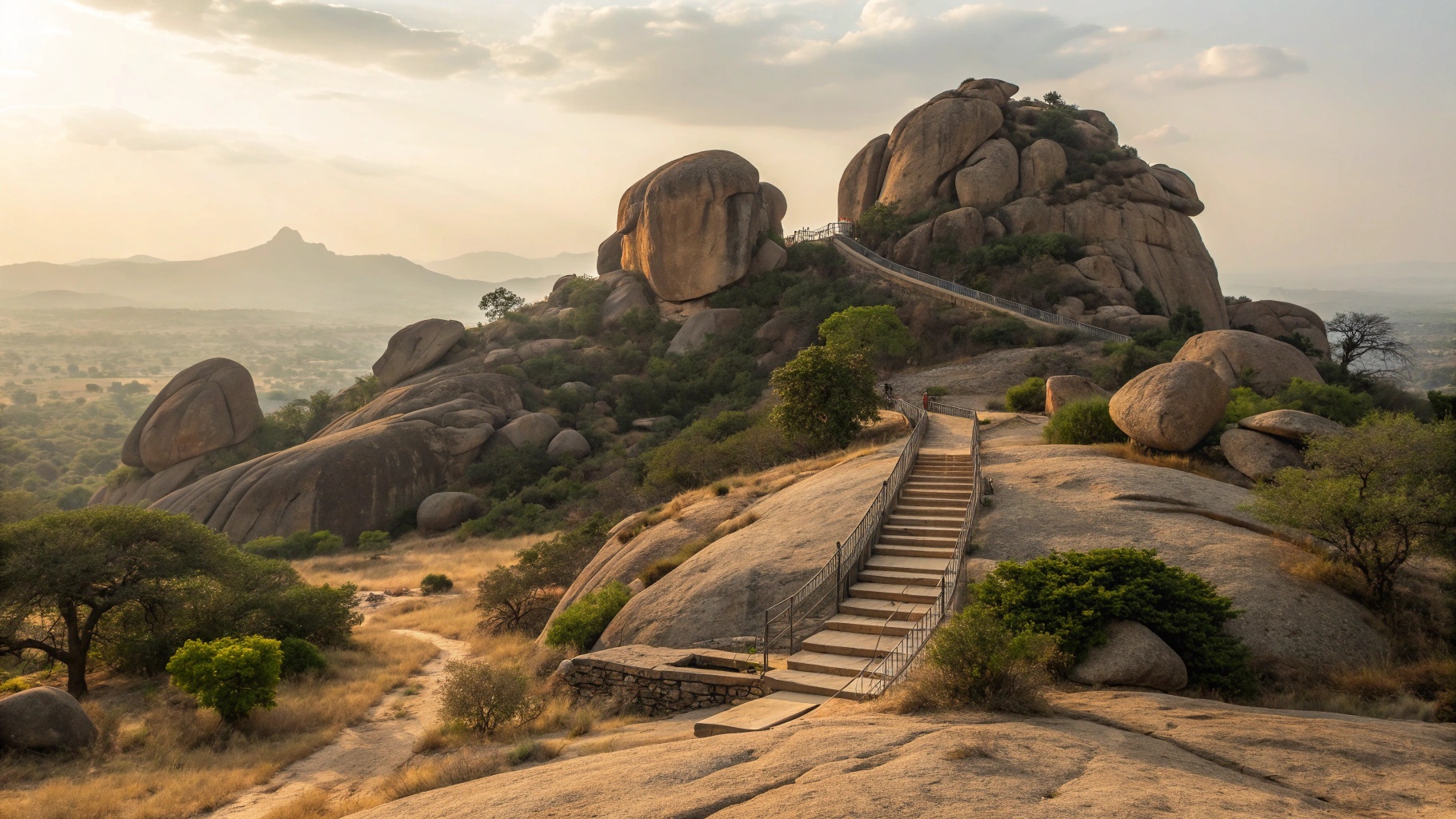
How to reach Himatnagar
By road
Ahmedabad to Himatnagar typically takes 2–3 hours depending on route and traffic. Highways are generally good; monsoon adds potholes in places—slow down in heavy rain and keep headlights on. Taxis and self-drive cars suit flexible plans; buses are frequent and economical.
By rail
Rail connectivity continues to evolve. If direct schedules don’t fit, connect via a larger junction and complete the journey by bus/taxi.
By air
Ahmedabad (AMD) is the closest major airport. From there, pre-paid taxis or app cabs can take you onward; leave early to avoid city peak hours.
Best time to visit: choosing your season
- Winter (Oct–Feb): Most comfortable for hill walks, temple visits, and long drives. Pack a light layer for sunrise sessions.
- Summer (Mar–Jun): Plan dawn starts, long lunches indoors, and late-afternoon excursions. Hydration and SPF matter.
- Monsoon (Jul–Sep): Green, photogenic landscapes; slower roads and slick stone—footwear with grip is essential.
Budget planning
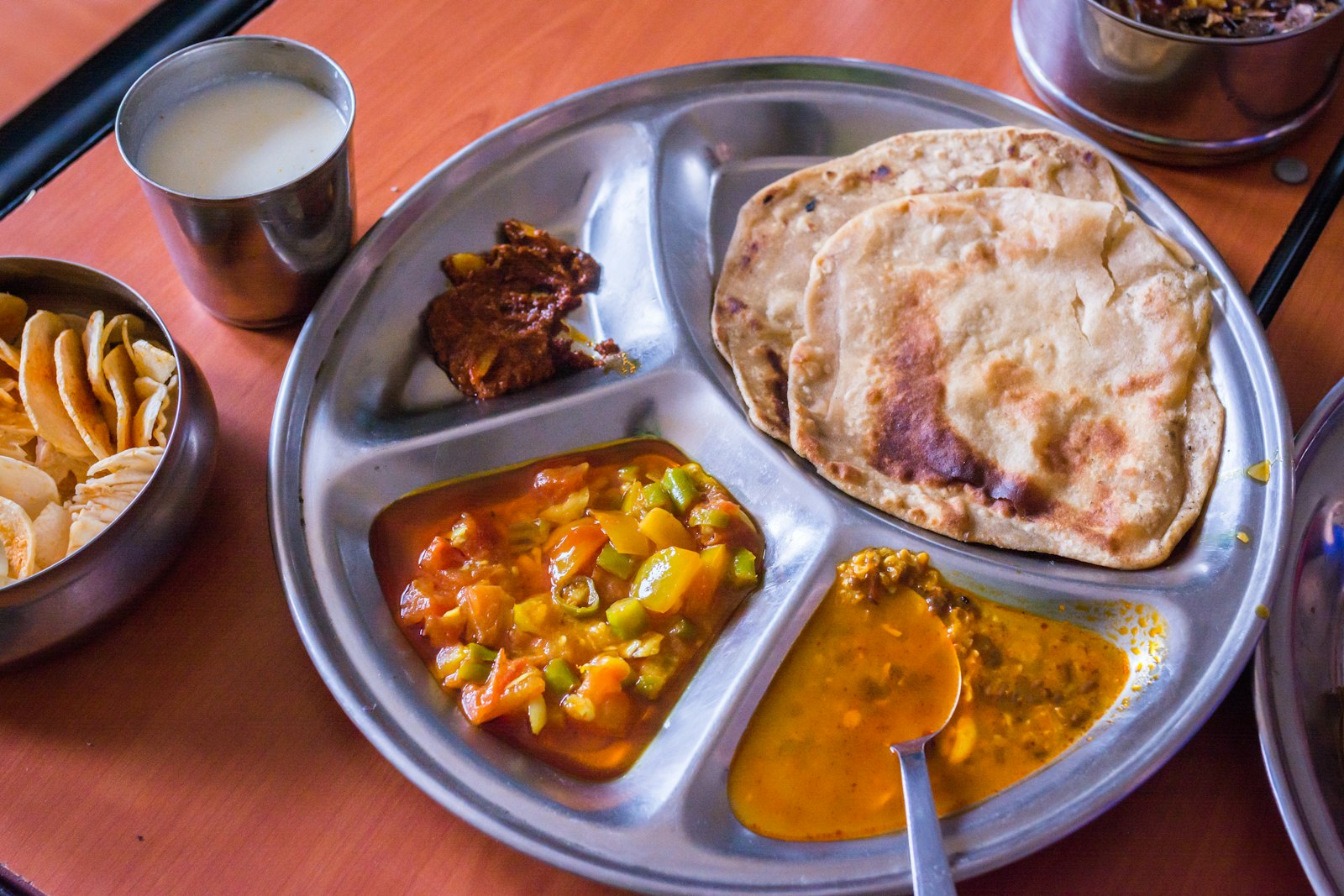
Himatnagar is friendly to budget and mid-range travelers. Thalis and snacks are affordable; hotels offer AC and daily housekeeping. For day trips, account for taxi hire or fuel, occasional entry fees, and flexible snack breaks. Keep a buffer for festival surcharges, shopping, and a second round of sweets you didn’t plan on.
Where to stay
Business-style hotels and family-friendly stays are common in town, with clean rooms and straightforward service. Light sleepers should request rooms away from the main road. On the outskirts, occasional homestays suit travelers seeking countryside quiet after day trips.
Itineraries
1 day
Idar hill walk at dawn; thali lunch in town; late afternoon temple visit; evening market stroll with tea and snacks.
2 days
Day 1—Idar and town markets. Day 2—Shamlaji Temple in the morning, then a forest drive toward the Polo area with a picnic. Return before dusk.
3–4 days
Add a second golden-hour session at your favorite spot, cafe downtime, and a shopping loop for textiles and spices. Consider a repeat forest loop for different light.
Transport options in detail
Autos and taxis: Autos are reliable for short hops; agree on fares if meters aren’t in use. For day trips, negotiate return + waiting or book via your hotel. Self-drive: Roads are generally good; watch for sudden speed breakers and livestock. Buses: Useful and economical; carry a light jacket in AC coaches and confirm your stop with the conductor.
Navigation, connectivity, and money
Mobile data is reliable in town; coverage dips in forest corridors. Download offline maps and carry a power bank. ATMs are available; UPI is common in shops and eateries. Carry small cash for parking, donations, and rural stalls.
Accessibility
Ask hotels about elevators and ground-floor rooms. For wheel-friendlier outings, choose riverside walks and newer parks. Older temples and Idar involve steps—plan breaks and bring a lightweight scarf/shawl for religious contexts.
Health and safety
Hydrate in hot months; take lunch breaks in shade/AC. Roads are generally safe; drive defensively on rural stretches and avoid unfamiliar night drives. Keep ID copies and share day-trip plans with your hotel if heading into patchy-network areas.
Packing by season
- Winter: Light jacket/shawl; closed shoes for chill mornings; moisturizer.
- Summer: Breathable layers; hat; sunglasses; SPF 30+; electrolytes.
- Monsoon: Compact rain layer; quick-dry clothing; grippy footwear; microfiber towel.
Responsible travel
Carry reusables, minimize plastic, and leave no trace at picnic spots. Keep sound modest in natural areas and treat sacred spaces with respect. Support small businesses—money circulates locally and keeps everyday places thriving.
Gear checklist (optional but handy)
- Reusable bottle (750 ml+), compact day pack
- Power bank (10,000 mAh+), short charging cables
- Polarizing filter for rock/water scenes; lens cloth
- Headlamp for pre-dawn starts (Idar)
- Snacks: nuts, fruit, energy bars
Traveling with kids or seniors
Plan shorter activity blocks with generous rest stops. Prefer morning excursions and keep afternoons for parks, cafes, or naps. For seniors, emphasize temples with shaded courtyards and riverside walks over steep climbs.
FAQs
Is self-drive safe for first-time visitors?
Yes—roads are generally straightforward. Follow speed limits, avoid night drives in unfamiliar areas, and watch for livestock.
When should I start in summer?
Around dawn (5:30–6:00 am). Take long midday breaks indoors and resume after 4:30 pm.
Do I need any permits?
Tripods or drones may face restrictions near religious or protected areas. Check posted rules and ask staff/authorities before flying or setting up.
Departure checklist
- Confirm transport timings and routes a day before.
- Pack a day bag with water, snacks, and a light layer.
- Share your plan with a friend or your hotel front desk.
- Keep a buffer hour for unexpected detours—that’s often where stories live.
Final note
Himatnagar makes planning easy: sensible logistics, warm food, and nature and heritage within reach. Sketch your days, then leave room for detours and conversations—a second chai, an unplanned stop at sunset, or directions that turn into a new favorite snack.