Top Attractions & Experiences
From pastel-hued granite hills to temple art and monsoon-green drives, use Himatnagar as a springboard for relaxed day trips. This guide covers routes, seasons, safety, accessibility, and photography tips so your days feel effortless.
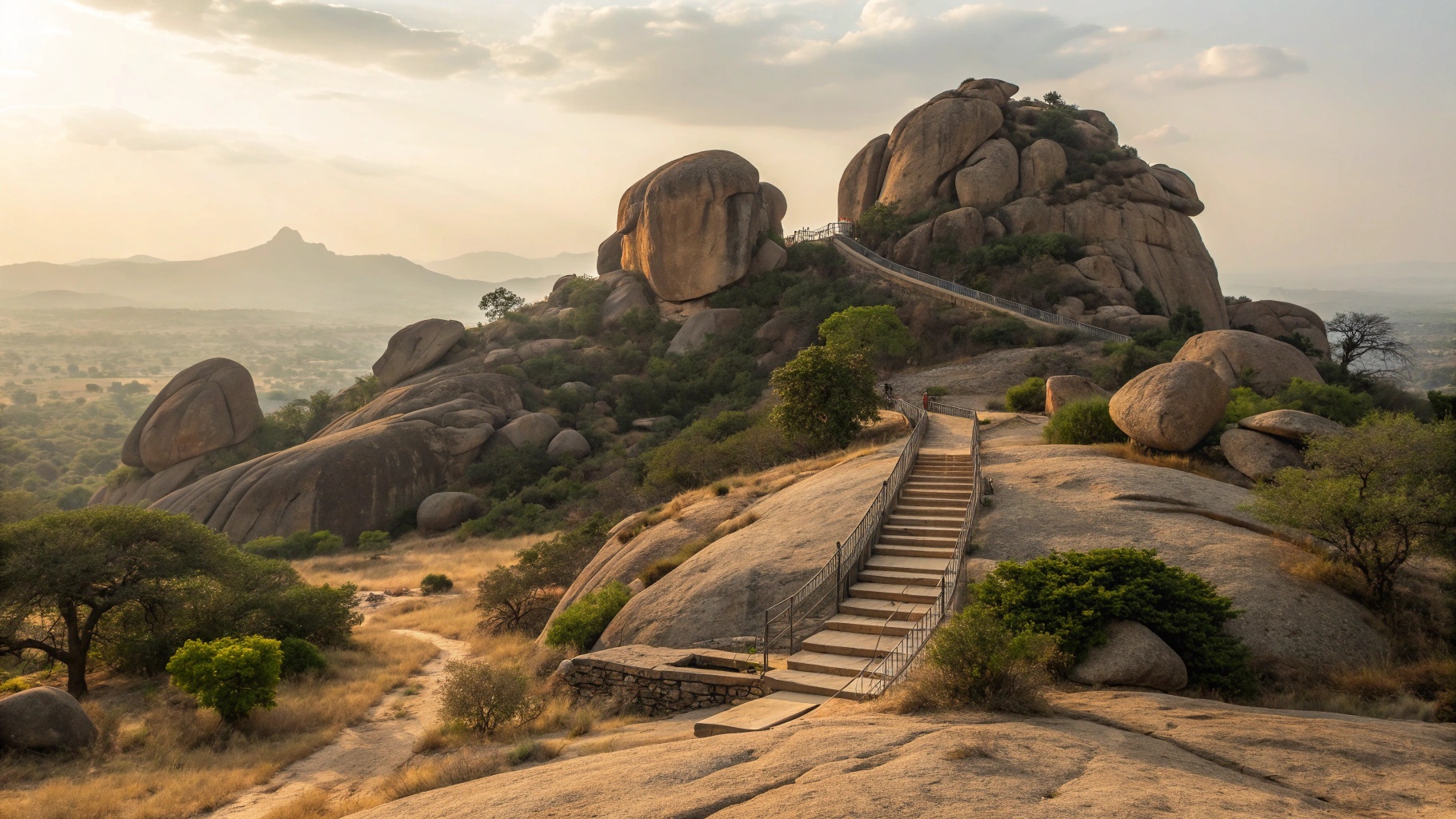
Idar: Stairways through sculpted granite
About 30–35 km from Himatnagar, Idar is a hill complex of rounded granite boulders, narrow staircases, and wind-swept terraces that glow at golden hour. The ascent is moderate with stepped sections; you’ll pass small shrines and remnants of fortifications. The reward is a layered panorama: rippling rock forms in the foreground, plains stretching outward, and the sky shifting from pale peach to deepening blue.
Best time and light
Start just after sunrise or aim for the 60–90 minutes before sunset. Morning light emphasizes texture without heat; evenings bring breeze and gentler crowds. In monsoon months, rocks can be slick—move deliberately and wear shoes with grip.
How to navigate
- Ask locals for the most-used staircase trailhead; parking pockets exist near common starts.
- Stick to obvious paths and steps; avoid short-cuts over smooth rock slabs after rain.
- Carry water, a cap, and a small snack; shade improves as you gain height and reach small terraces.
Photography notes
- Wide-angle for scale and curves; medium telephoto to compress hill layers.
- A polarizer helps subdue glare on rock; in monsoon, carry a microfiber cloth.
- Silhouettes along stair edges and lone trees on ledges make simple, evocative frames.
Safety and etiquette
- Watch footing on polished sections; keep hands free (use a small backpack), not pockets full.
- Respect shrines and pass quietly; avoid loud music—sound carries in open rock corridors.
- Leave no litter; wind can scatter even small wrappers across the hillside.
Shamlaji: Carvings, aarti, and riverside calm
East of Himatnagar, Shamlaji Temple sits near the Meshwo River and draws steady streams of devotees. It’s a place for unhurried observation: narrative friezes, floral scrolls along plinths, and repeated pillar motifs that resolve into rhythm as you walk. Visit early for the morning aarti when the atmosphere is devotional and light is gentle.
Architecture checklist
- Mandapa pillars: Look for repeated figure and floral motifs; trace patterns around capitals and bases.
- Frieze bands: Animal forms and vegetal scrolls reward slow, close viewing.
- Light & shadow: Side light reveals depth; overcast days produce low-contrast, documentary frames.
Practicalities
- Dress modestly; cover shoulders and knees; remove footwear as indicated.
- Photography rules can change—ask staff; keep phones on silent and step aside during rituals.
- Carry small notes if you wish to donate; stalls around the temple sell flowers, prasad, and simple snacks.
Polo area near Vijaynagar: Monsoon-green drives
Northeast of Himatnagar, the Polo region offers tree-lined roads, scattered archaeological remains softened by moss, and the murmur of streams in monsoon. It’s a slow-travel interlude rather than a checklist—roll down windows (dust permitting), pause at safe pull-outs, and let the soundscape be local: leaves, birds, and water after rain.
Driving and conditions
- Road quality varies seasonally; monsoon demands patience and attentive speed.
- Connectivity can dip under canopy; download offline maps and share day plans with your hotel.
- Choose firm-ground pull-outs; avoid parking immediately by watercourses after heavy rain.
Low-impact tips
- Carry back all waste. Skip single-use plastic where possible.
- Keep speakers off—forest drives are best as quiet experiences.
- If you picnic, choose spots away from water flow and avoid feeding wildlife.
In and around Himatnagar town
Between outings, town days are gentle: temple visits, park strolls, and snack runs in the evening bustle. Markets make for easy street photography—painted signboards, stacked fruit pyramids, and sari displays in shop fronts. If you want practical souvenirs, look for handloom cottons, bandhani prints, and sturdy kitchenware used in Gujarati homes.
Seasonal playbook
Winter (Oct–Feb)
- Ideal for Idar climbs and temple visits; carry a light layer for dawn starts.
- Sky clarity benefits long views and sunset silhouettes on hilltops.
Summer (Mar–Jun)
- Begin at dawn; siesta at midday; resume late afternoon for golden light.
- Hydration, hats, and SPF matter; keep activity blocks short for families and seniors.
Monsoon (Jul–Sep)
- Lush frames and reflective roads toward Polo; drive slowly and check weather windows.
- Rocks and temple steps can be slick—choose footwear with grip.
Routes and distances
- To Idar: Common routes use signed highways; under two hours in typical traffic; less in early morning. Ask locals for the staircase start nearest your parking spot.
- To Shamlaji: Head east toward the Meshwo River corridor; allow for crowds on festival days.
- To Polo: Continue northeast; road quality shifts with season; set navigation before signal dips.
Accessibility notes
- Idar: Multiple stair sections with intermittent handrails; uneven stone; trekking poles help.
- Shamlaji: Steps within temple precincts; shaded courtyards and resting ledges.
- Polo drives: Remain in-vehicle for scenic loops if walking is a challenge; select firm-ground pull-outs.
Safety and etiquette
- Ask before photographing people; keep phones on silent in sanctuaries.
- Step aside during rituals; avoid blocking narrow stairways at Idar.
- Drive unhurriedly on rural roads; watch for livestock and sudden speed breakers.
What to pack
- Sun protection: hat, sunglasses, SPF 30+.
- Reusable water bottle; electrolytes in summer.
- Grippy walking shoes; light scarf/shawl for temples.
- Power bank; offline maps for forest corridors.
Sample day plans
Idar focus (half-day + town)
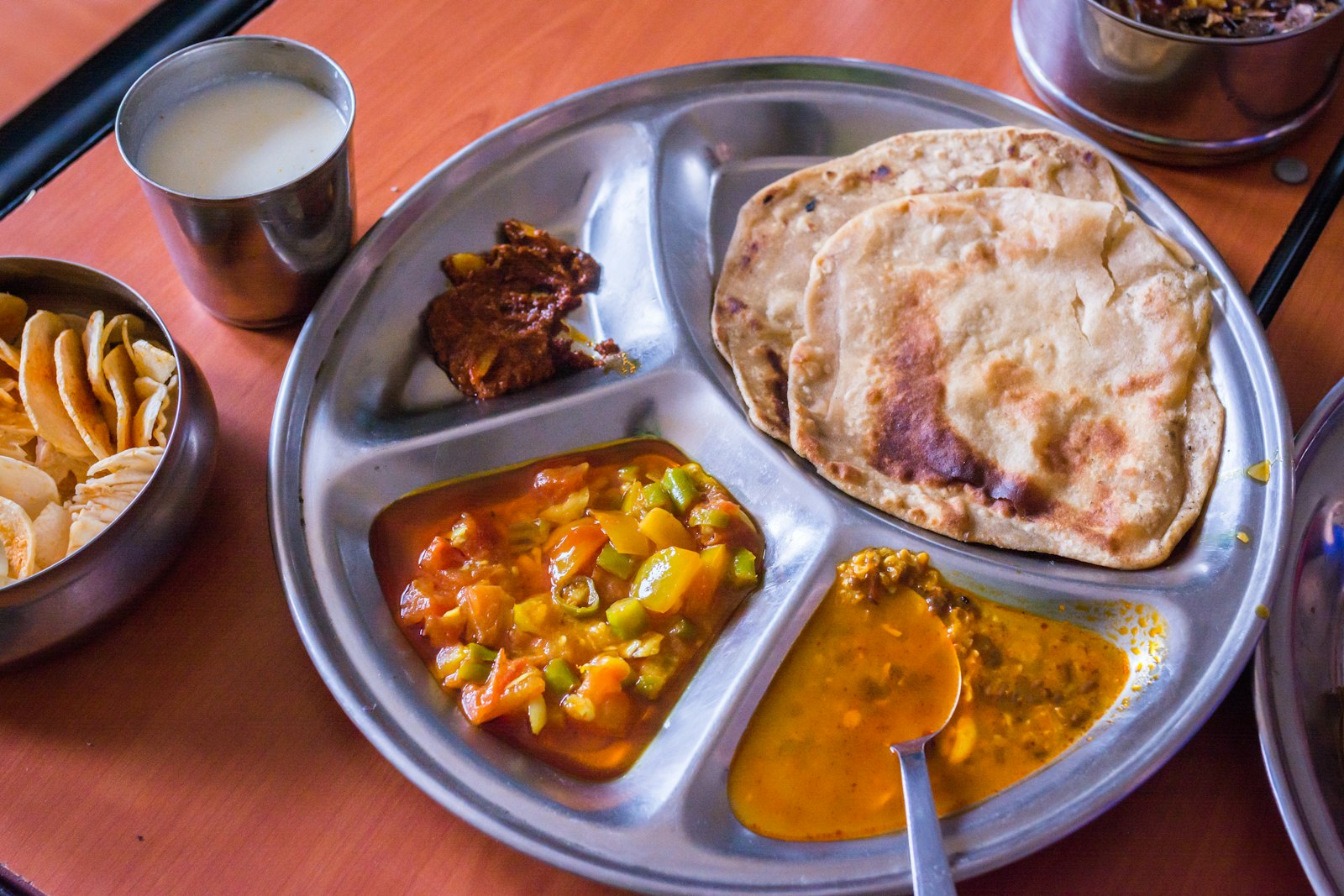
Start early at Idar; climb, photograph, rest at a breezy terrace. Return to Himatnagar for a thali lunch and a slow market loop at dusk.
Temple + forest (full day)
Morning aarti at Shamlaji, unhurried study of carvings, then continue to the Polo area for a green drive and a quiet picnic. Return before dusk.
Monsoon loop
Choose a shorter Idar session (watch for slick surfaces), snack break in town, and then a slow Polo corridor with frequent photography stops. Keep litter secure in the vehicle.
Food breaks that fit the day
Plan your substantial meals in town—thalis and reliable snacks are plentiful. Highway dhabas can be useful, but busy eateries in Himatnagar give you better turnover and freshness. Carry fruit or nuts for remote stretches. In hot months, aim for a longer, cooler lunch followed by a slower afternoon.
FAQs
Can I do Idar and Shamlaji in one day?
Yes. Start at Idar at dawn, return for a simple lunch, and head to Shamlaji for an unhurried afternoon visit. Keep evenings free for rest or a short market stroll.
Do I need a guide?
Not essential for these day trips, though local guidance can add context at Shamlaji. For photography-focused visits, a local who knows vantage points helps time your light.
Is Polo area suitable for kids?
Yes, as a scenic drive with frequent stops. Keep walks short and on firm ground. Bring snacks, water, and rain layers in monsoon.
Low-impact mindset
These landscapes are gentle because most visitors travel gently—keep music low, leave no trace, drive patiently, and support small eateries and craft stores along the way. Good traveler habits multiply benefits through local communities and keep quiet corridors quiet for longer.
Final thoughts
Base in Himatnagar, set realistic day plans, and let light and weather guide your timing. If a view or conversation delays you, that’s the point: northern Gujarat rewards travelers who value unscripted pauses as much as the obvious highlights.