Culture & Food of Himatnagar
A district town’s rhythms: festival nights, everyday markets, friendly snack counters, and thalis that balance comfort and finesse—plus tips to eat well, inclusively, and sustainably.
Everyday culture: markets, tea, and conversation
Himatnagar’s culture shows up as much in the unchoreographed motions of daily life as in marquee festivals. Watch the morning ballet around tea stalls and snack counters; note schoolchildren in crisp uniforms; listen to two-wheelers threading through arteries where shopkeepers exchange news between customers. The city’s scale invites conversation—ask for a recommendation at a mithai shop, compliment a sari’s colorway, or request directions. People generally respond with warmth and precision (and landmarks you’ll probably miss once before you catch on).
For photography, step back to include context—hand-painted signboards, carved door lintels, and fixed scooters. These details anchor your memories in place. If you’re sharing frames online, add a line of context and avoid geotagging small shrines or quiet bends where crowds could degrade the scene.
Festivals: Navratri, Diwali, and Uttarayan
Navratri (Sep–Oct)
Garba nights bloom across neighborhoods, from resident-association grounds to larger stages. Visitors are often welcome—wear comfortable clothing that allows movement, and if you borrow dandiya sticks, match rhythm and spacing to avoid whacking your neighbor. Arrive early to watch the warm-up; join once your feet catch the pattern. End the night with a sweet, a glass of cool milk, or a simple snack.
Diwali (Oct–Nov)
Homes glow, shops sparkle late, and mithai boxes trade hands in a celebratory circuit. If you’re in town, expect extended opening hours, festive pricing on some items, and street scenes that shift from busy to luminous.
Uttarayan (January)
Skies fill with paper kites and playful duels. Vendors sell reels and stacks of kites; rooftops become viewing decks. Follow local safety tips—avoid flying near power lines and dispose of string responsibly to protect birds.
Eating like a local
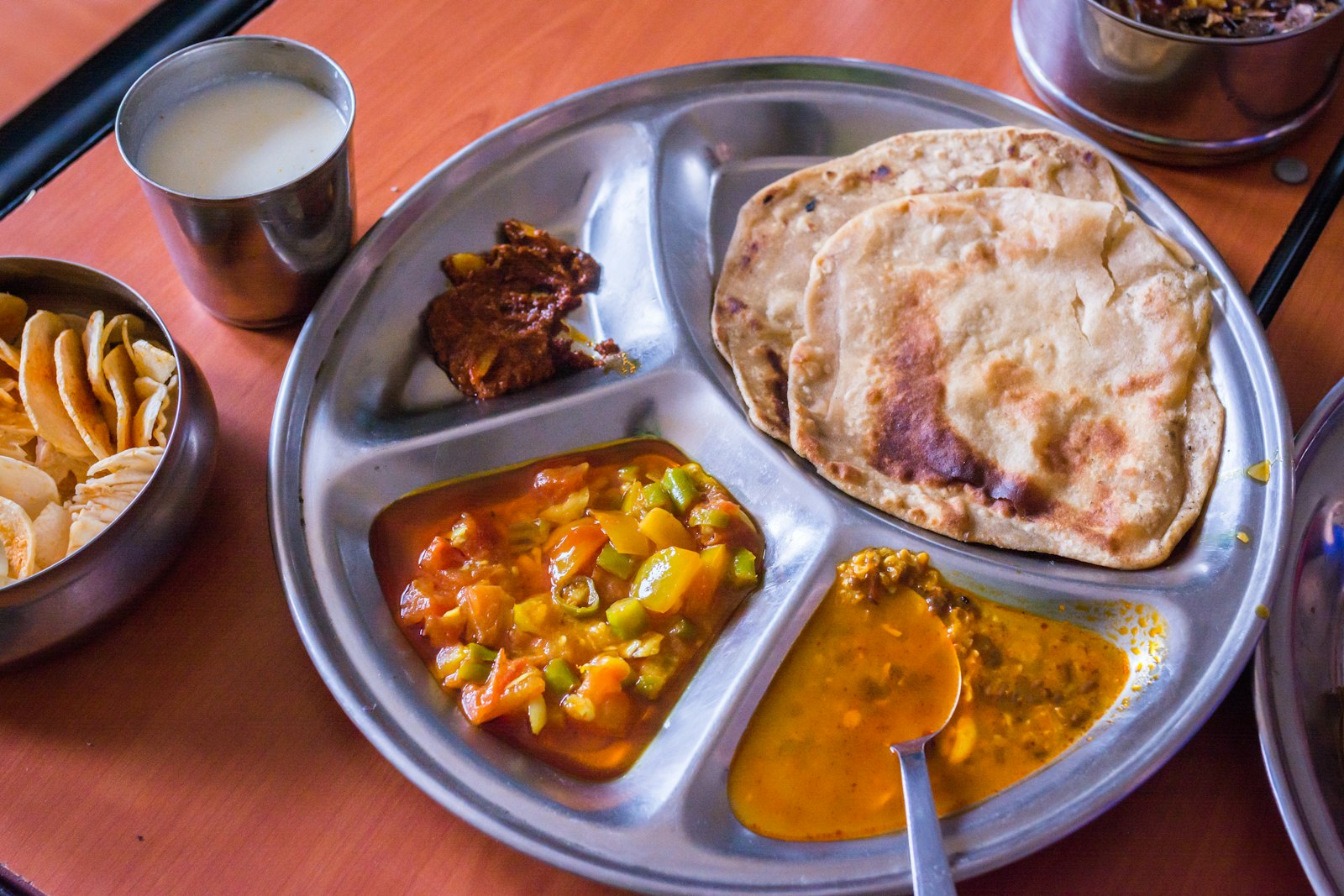
Start with tea: order a cutting chai (a small, strong portion) and choose a snack to match the heat and time of day—poha or thepla in the morning; khaman, khandvi, or handvo by mid-day; bhajiya with green chutney when you want savory crunch. For sit-down meals, thalis line up small portions of staples with endless refills—pace yourself and top-up favorites. Sweets—basundi, shrikhand, seasonal aamras—carry the day forward and cool the palate in summer.
Vegetarian, Jain, vegan: navigating preferences
Vegetarian is the default. Many eateries prepare Jain versions (no onion/garlic). For vegan choices, ask for “no ghee, no curd,” then pick legumes, vegetables, and rotli without butter. Communicate clearly at the start; staff are used to preference-based requests. If you have allergies, write them down in English and a local language (Gujarati/Hindi) to show at the counter.
Market finds and gifts
Handloom cottons, bandhani prints, and durable steel/brass kitchenware make useful, packable mementos. Spice blends travel well—ask sellers for usage tips and storage in humid conditions. Bargaining is steady and good-natured; small discounts are common, but quality work deserves fair value.
Etiquette for photos and sound
Ask before photographing people, especially vendors and devotees. Keep devices on silent in sanctuaries and step aside to review shots. In homes and smaller temples, put cameras away unless invited. For music, earphones beat speakers—public spaces stay calmer and more inclusive when sound is low.
Inclusive choices
District towns are typically polite and pragmatic. Dress modestly in religious contexts; keep public displays of affection restrained; and be mindful of vegetarian-only preferences in many family settings. LGBTQ+ travelers who keep a low profile typically experience few issues; as always, trust your instincts and prioritize situational awareness at night.
Sustainability at the table
- Carry a reusable bottle and refill where practical.
- Order modestly and top-up—thali refills are generous.
- Refuse extra cutlery or straws; carry a small cloth napkin.
- Separate waste in your hotel room; hand recyclables to staff if systems exist.
Weather strategies
Monsoon
Carry grippy footwear and a compact towel for lenses and glasses; tea breaks under tin roofs become part of the charm. Street scenes photograph well after rain—watch for reflections and give traffic a wide berth.
Summer
Shift your day earlier: morning markets, long lunches in AC, and early dinners. Ask for chilled drinking water or stick to bottled/filtered options.
Winter
Evenings invite market strolls and sweet-shop sampling. A light layer helps before sunrise and after dark.
Mini language primer
- “Kem cho?” How are you?
- “Majama.” I’m fine / It’s all good.
- “Aabhar” / “Dhanyavaad”. Thank you.
- “Krupa karine”. Please.
- “Ocha maru”. Less spicy.
Eating day templates
- Breakfast: Poha or thepla with hot chai.
- Mid-morning: Khandvi or dhokla slice.
- Lunch: Thali—sample, pace, and accept refills.
- Tea time: Cutting chai with maska bun or puff.
- Dinner: Bhel, pav bhaji, or khichdi-kadhi on cool evenings.
- Dessert: Basundi or a small tub of shrikhand.
Safety and health
Choose busy eateries with good hygiene cues (clean counters, fresh oil). Carry a small kit: analgesic, antihistamine, ORS, band-aids. In summer, prioritize hydration and electrolyte intake. For night walks, stick to lit, busier streets and keep valuables minimal.
Final flavor notes
Himatnagar’s food memory isn’t about trophy dishes—it’s about familiar flavors prepared with care and shared with warmth. Ask a local what they’re ordering and why; you’ll end up with a favorite and a story to go with it. Then, the next morning, repeat—with a different sweet.